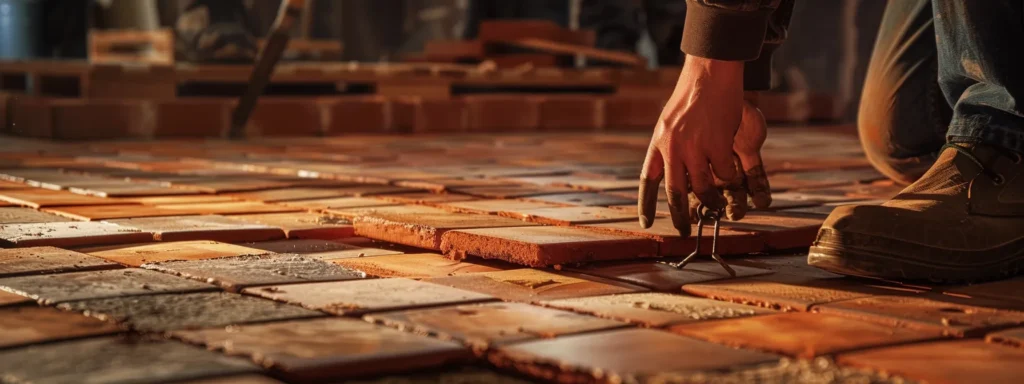
When it comes to selecting the perfect tile for your space, the decision between terracotta and ceramic tiles can be challenging. Both offer unique aesthetic and functional benefits, but which one aligns best with your interior design goals? This article will delve into the differences between these two popular tile options, helping you make an informed decision that complements your design style. We’ll explore the distinct characteristics, pros and cons, and essential factors to consider when choosing between terracotta and ceramic tiles.
Terracotta Tile and Ceramic Tile Differences
Understanding the fundamental differences between Terracotta Tile and ceramic tiles is crucial for making the right choice. Terracotta Tiles are crafted from natural clay and are typically hand-made, giving them a rustic and earthy appeal. These tiles are often favored in traditional and Mediterranean-style homes due to their warm tones and natural texture. In contrast, ceramic tiles are manufactured using refined clay and other materials, resulting in a more uniform appearance. They are available in a wide range of colors and finishes, making them versatile for various design styles.
One key factor distinguishing these tiles is their absorption rate. Terracotta Tiles are porous and require a sealant to prevent moisture absorption, while ceramic tiles are less porous and often more water-resistant. This difference plays a significant role in determining where each tile can be effectively used in your home.
Finally, the production process also sets them apart. The handmade nature of Terracotta Tiles means each piece is unique, adding character to a space. Ceramic tiles, often produced using CAD (Computer-Aided Design) Software, offer precise dimensions and consistent quality, ideal for sleek and modern interiors.
Choosing the Right Tile for Your Design Style
When selecting tiles, aligning them with your design style is essential. For those who appreciate a natural and organic look, Terracotta Tiles are an excellent choice. Their earthy hues and textured surface can enhance rustic and bohemian interiors. Moreover, they are compatible with sustainable design practices, often being used in LEED-certified projects.
Conversely, if your style leans towards contemporary or minimalist, ceramic tiles can provide the clean lines and sleek finishes that define these aesthetics. Their adaptability allows for the application of color theory, enabling designers to create vibrant or subdued palettes to suit any mood or theme.
Additionally, if your project involves FF&E (Furniture, Fixtures, and Equipment), ceramic tiles can be a great match due to their wide array of colors and patterns, seamlessly integrating with various furniture styles and finishes.
Pros and Cons of Terracotta and Ceramic Tiles
Both terracotta and ceramic tiles have their advantages and limitations. Terracotta Tiles are prized for their natural beauty and durability. They can withstand high traffic if properly sealed and maintained, making them suitable for outdoor areas. However, their porosity requires regular sealing, which can be a maintenance consideration.
Ceramic tiles, on the other hand, are known for their ease of maintenance and water resistance. Suitable for kitchens and bathrooms, they can also be installed over GFCI (Ground Fault Circuit Interrupter) circuits, ensuring safety in wet areas. Their primary drawback is that they can be cold underfoot without proper heating or underlay, which might not be ideal for all climates.
Choosing between these tiles often depends on the specific requirements of your project. For instance, Terracotta Tiles might be ideal for a Mediterranean-style kitchen, while ceramic tiles could be the best fit for a sleek, modern bathroom.
Factors to Consider When Selecting Between Terracotta and Ceramic Tiles
Several factors should be considered when choosing between terracotta and ceramic tiles. First, consider the location and function of the space. Terracotta’s rustic charm is perfect for outdoor patios or a warm kitchen, whereas ceramic’s water resistance is advantageous in bathrooms and high-moisture areas.
Another factor is the overall design theme. For a cohesive look, consider using terracotta in spaces where you want to incorporate other natural materials like wood and stone. If your project involves intricate site plans and construction drawings, ceramic tiles can offer precise layouts and patterns that align with the detailed planning.
Finally, budget and maintenance requirements are crucial. Terracotta Tiles might have a higher initial cost due to their handmade nature but can offer long-term aesthetic value. In contrast, ceramic tiles are generally more affordable and easier to maintain, appealing to those with a tighter budget.
Conclusion

Choosing between terracotta and ceramic tiles ultimately depends on your design preferences, budget, and functional needs. Terracotta Tiles provide an earthy, timeless aesthetic, perfect for traditional and rustic designs. Meanwhile, ceramic tiles offer versatility and ease of maintenance, ideal for modern and minimalist interiors. By weighing these factors and considering how each tile type aligns with your design style, you can create a space that not only looks stunning but also functions seamlessly in your daily life.