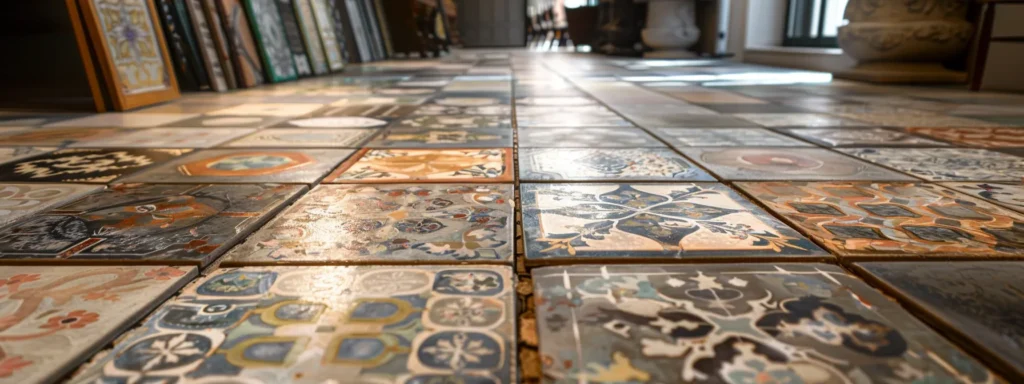
When tackling an interior design project, selecting the right flooring or wall material is crucial for ensuring longevity and aesthetic appeal. Among the popular choices are Encaustic Cement Tile and ceramic tile, each offering unique benefits and challenges. Understanding the durability of these materials is key to making an informed decision that aligns with your project’s needs. This article delves into the durability features of both encaustic cement and ceramic tiles, compares their wear and tear resistance, and offers guidance on choosing the right tile for lasting results.
Encaustic Cement Tile Durability Features
Encaustic Cement Tiles are renowned for their robustness and artisanal appeal. Made from a mixture of cement, sand, and mineral pigments, these tiles are compressed under high pressure, creating a dense and durable surface. Unlike glazed ceramic tiles, Encaustic Cement Tiles do not have a top glaze layer, which can wear away over time. Instead, their color and pattern are integral to the tile itself, ensuring that even as the surface wears, the design remains vivid. Many interior designers appreciate Encaustic Cement Tile for their ability to maintain their aesthetic over years of use.
An important consideration in using Encaustic Cement Tiles is their need for regular sealing. This process protects the tiles from stains and moisture, significantly enhancing their lifespan. Moreover, recent reports from Architectural Digest highlight their increased use in high-traffic areas due to their ability to withstand heavy foot traffic and environmental stress.
Ceramic Tile Strengths and Weaknesses
Ceramic tiles, on the other hand, are crafted from natural clay and baked at high temperatures. This process gives ceramic tiles their characteristic hardness and resistance to water, making them a popular choice in bathrooms and kitchens. One of the main advantages of ceramic tiles is their ease of cleaning; their glazed surface repels dirt and stains efficiently.
However, the glaze can also be a point of vulnerability. In high-traffic areas, the glaze may chip or crack, revealing the less durable clay beneath. A guide from the ASID suggests that while ceramic tiles are less expensive upfront, their long-term durability may not match that of Encaustic Cement Tiles, especially in commercial settings where wear and tear are significant factors.
Comparing Wear and Tear Resistance
When comparing wear and tear resistance, Encaustic Cement Tiles often outperform ceramic tiles due to their inherent material properties. The absence of a glaze means that scratches and wear do not detract from their appearance, whereas ceramic tiles can suffer visibly from chips and cracks. Additionally, Encaustic Cement Tiles are celebrated for their ability to age gracefully, developing a patina that many find desirable in vintage or rustic designs.
The choice between these two materials can also depend on specific project needs. For instance, in scenarios where acoustical treatment is a concern, Encaustic Cement Tiles may offer better sound absorption due to their thickness and density. Furthermore, incorporating Encaustic Cement Tiles into a design can complement a Mood Board or Space Planning strategy focused on creating timeless and durable spaces.
Choosing the Right Tile for Longevity
Deciding between encaustic cement and ceramic tiles ultimately rests on the specific requirements of your interior design project. For areas with high foot traffic or where a long-lasting aesthetic is desired, Encaustic Cement Tile can be the superior choice. These tiles not only provide durability but also offer a unique design element that can enhance the visual appeal of any space.
However, if budget constraints or specific design applications dictate, ceramic tiles can still be a viable option, particularly when used in spaces where their ease of maintenance and water resistance are prioritized. When making your selection, consider factors like the intended use, environmental conditions, and the need for maintenance to ensure that the tiles you choose will serve your design goals effectively and sustainably.
Conclusion
Both Encaustic Cement Tiles and ceramic tiles have their place in interior design, each offering distinct advantages. By understanding their durability, you can make an informed choice that enhances both the function and aesthetic of your space. For those prioritizing longevity and a timeless look, Encaustic Cement Tiles often prove to be the better investment. However, ceramic tiles remain a strong contender for those seeking practicality and ease of maintenance. Select the tile that best aligns with your project’s demands to ensure a beautiful, enduring outcome.