

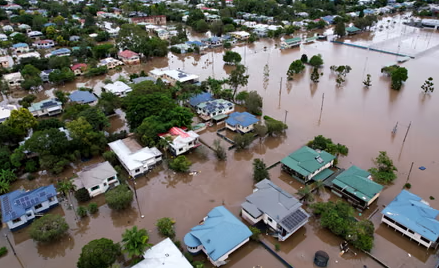
Sydney property owners are confronting flood risks at levels unprecedented in recent memory. The combination of extreme weather events, ageing stormwater infrastructure, and coastal development patterns has created a perfect storm where properties once considered safe now face genuine flood threats.
Bureau of Meteorology data shows Sydney experienced 40% more high-intensity rainfall events in 2024-2025 compared to the previous decade’s average, whilst insurance claims for flood damage across Greater Sydney increased by 127% over the same period. These aren’t statistical anomalies—they’re the new normal for Sydney property owners.
Understanding what drives flood damage costs, how quickly damage compounds, and what separates recoverable incidents from catastrophic losses provides essential knowledge for anyone owning property in flood-affected areas.
The Changing Sydney Flood Landscape
Sydney’s flood patterns have shifted dramatically. Areas with no flood history now experience water inundation during extreme weather. The Hawkesbury-Nepean system threatens Western Sydney suburbs with increasing frequency. Eastern suburbs face coastal inundation from king tides and storm surges. And inadequate stormwater infrastructure overwhelms during intense rainfall, flooding properties through backing drains and overflows.
A Penrith homeowner whose property had never flooded in 40 years experienced two separate flooding events within 18 months. Her insurance premiums tripled, and she now faces difficult decisions about property modifications, selling at reduced value, or accepting ongoing flood risk.
Her situation isn’t unique. Thousands of Sydney property owners are discovering that historical flood data no longer reliably predicts future risk.
The Speed of Flood Damage
Flood water doesn’t just wet surfaces—it saturates building materials, contaminates structures, and creates conditions for rapid deterioration and mould growth.
Within the first 24 hours of flood exposure, water penetrates deeply into walls, floors, and substructures. Contamination from sewage, chemicals, and outdoor pollutants creates health hazards. Electrical systems become safety risks requiring professional assessment. And mould spores begin colonising damp surfaces.
By 48-72 hours, visible mould growth appears on walls, ceilings, and contents. Structural materials begin deteriorating from prolonged saturation. Contamination spreads throughout affected areas. And salvageable contents become total losses from mould and contamination.
This rapid progression means the difference between manageable restoration and catastrophic loss often comes down to how quickly professional intervention begins after flood waters recede.
What Drives Restoration Costs
Flood damage restoration costs vary enormously based on water depth and duration, contamination level (clean water vs. sewage), building materials and construction type, and response speed after waters recede.
Industry analysis shows average flood restoration costs for Sydney homes range from $15,000-$45,000 for minor flooding affecting single rooms to $80,000-$200,000+ for major flooding requiring extensive structural repairs and mould remediation.
A Bankstown family experienced ground floor flooding from stormwater backup. They delayed professional restoration for five days, believing they could dry the property themselves with fans and dehumidifiers. By the time they engaged professionals, extensive mould growth required complete removal of ground floor plasterboard, flooring, and insulation. The eventual cost exceeded $95,000—roughly triple what immediate professional intervention would have cost.
Clean Water vs. Contaminated Flooding
Not all flood water presents equal restoration challenges. Clean water flooding from rain or burst pipes requires thorough drying and sanitisation but typically doesn’t necessitate extensive material removal.
Contaminated flooding—involving sewage, chemicals, or stormwater carrying outdoor pollutants—creates serious health hazards requiring far more aggressive remediation. Materials exposed to contaminated water often require complete removal rather than cleaning, significantly increasing restoration costs.
Sydney’s flood events typically involve contaminated water, as stormwater systems overflow carrying sewage, industrial runoff, and environmental pollutants. This contamination means affected properties require comprehensive remediation beyond simple drying.
The Mould Timeline
Mould represents the most expensive consequence of inadequate flood restoration. Sydney’s humidity creates ideal mould conditions, with colonisation beginning within 24-48 hours of flood exposure.
Initial mould growth occurs invisibly within wall cavities, under flooring, and in other hidden areas. By the time mould becomes visible, it’s already established throughout affected structures and requires professional remediation.
Mould remediation costs typically exceed initial flood restoration expenses. Properties requiring minor flood cleanup might face $8,000-$12,000 in immediate costs. If mould develops from inadequate initial restoration, remediation can easily reach $30,000-$60,000 requiring containment barriers, air filtration, complete material removal, and reconstruction.
Insurance Complexities
Flood insurance in Australia operates separately from standard home insurance, creating confusion during claims. Many property owners discover too late that their “comprehensive” home insurance excludes flood damage, or defines “flood” narrowly, excluding certain water damage types.
Australian insurance industry data indicates that approximately 35% of Sydney homeowners lack adequate flood coverage, often unknowingly until filing claims after flood events.
Understanding exactly what your policy covers before flooding occurs proves critical. Standard home insurance typically covers storm damage and internal water escape but may exclude rising flood waters, stormwater inundation, or coastal flooding.
The Professional Restoration Process
Effective flood restoration services involve far more than removing standing water and drying wet areas.
Comprehensive restoration includes immediate water extraction using industrial equipment, contamination assessment and appropriate safety protocols, moisture detection identifying hidden water in walls and subfloors, strategic drying using commercial dehumidifiers and air movers, antimicrobial treatments preventing mould and bacterial growth, material removal when cleaning proves insufficient, and complete reconstruction restoring properties to pre-flood condition.
The timeline varies dramatically based on damage extent. Minor flooding might resolve in 5-7 days. Major flooding requiring extensive material removal and reconstruction can take weeks or months.
Prevention and Preparation
Whilst Sydney property owners can’t prevent flooding, preparation significantly impacts outcomes. Know your property’s flood risk through council flood studies and mapping. Understand insurance coverage including specific flood definitions and exclusions. Maintain contact information for emergency restoration services. Create emergency plans for protecting valuables and evacuating safely. And consider flood mitigation improvements like raising electrical systems or installing flood barriers.
Properties in known flood zones benefit from proactive modifications reducing damage when flooding occurs.
The Recovery Reality
Flood recovery extends well beyond physical restoration. The process involves complex insurance claims, temporary accommodation during restoration, emotional stress and disruption, potential property value impacts, and difficult decisions about future flood risk management.
Professional flood restoration services managing the entire process—from emergency response through insurance coordination to final reconstruction—reduce stress whilst typically achieving better outcomes than homeowners attempting to coordinate multiple contractors independently.
Looking Forward
Sydney’s flood risks will likely continue increasing as climate patterns shift and urban development intensifies. Property owners in affected areas face ongoing challenges managing these risks through adequate insurance, emergency preparedness, and rapid professional response when flooding occurs.
The properties and families that recover successfully are those who understand flood risks, maintain appropriate coverage, and respond immediately with professional restoration when waters recede.
