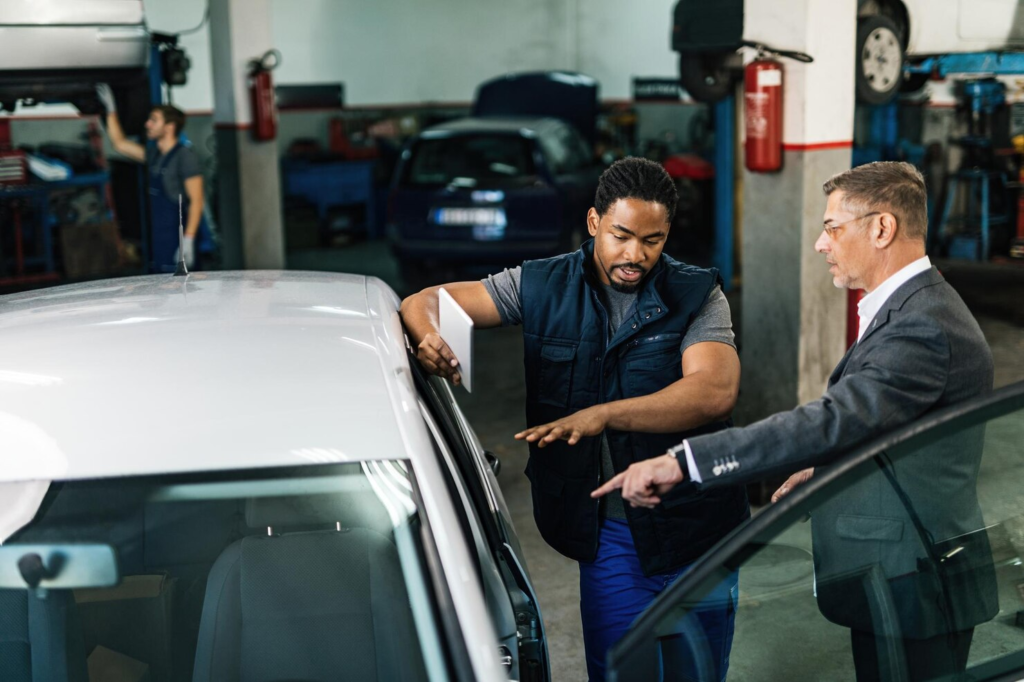
A vehicle is one of the most valuable investments many people make. Whether it is used for daily commuting, family travel, or business purposes, keeping it in good condition for as long as possible can save thousands of dollars in repairs and replacement costs. While modern vehicles are built to be more durable than ever, their lifespan still depends heavily on how they are maintained and driven.
Many drivers focus only on fixing problems when they appear, but the real key to long-term reliability is prevention. Extending vehicle lifespan is not about complicated mechanical knowledge; it is about developing a few consistent habits that reduce wear and tear over time. Understanding these habits can help any driver enjoy better performance, improved fuel efficiency, and fewer unexpected breakdowns.
Regular Maintenance Is the Foundation
The most important factor in extending a vehicle’s lifespan is following a regular maintenance schedule. Every car manufacturer provides recommended service intervals for items such as engine oil, filters, brakes, transmission fluid, and coolant. Ignoring these intervals allows small issues to become major mechanical problems.
Engine oil is especially critical because it lubricates moving parts and reduces friction. Old or contaminated oil loses its effectiveness, which can accelerate engine wear. Replacing oil and filters on time is one of the simplest and most cost-effective ways to protect the engine.
Drivers who rely on car service in Perth often benefit from professional inspections that identify developing problems before they become expensive repairs. Routine servicing not only keeps the vehicle running smoothly but also helps maintain its resale value.
Pay Attention to Warning Signs
Vehicles rarely fail without giving some form of warning. Unusual noises, vibrations, dashboard warning lights, burning smells, or changes in performance should never be ignored. A small coolant leak, for example, may seem minor at first but can eventually lead to engine overheating and severe damage.
Many costly repairs happen because drivers continue using the vehicle despite obvious symptoms. Addressing problems early is usually far cheaper than waiting for a complete failure. Even if the issue appears insignificant, having it checked promptly can prevent further damage to related components.
Drive Smoothly and Consistently
Driving style has a major impact on vehicle longevity. Aggressive acceleration, hard braking, and rapid cornering place additional stress on the engine, transmission, brakes, and suspension. Smooth driving reduces this stress and helps components last longer.
Some useful habits include:
- Accelerate gradually instead of flooring the accelerator.
- Maintain a steady speed whenever possible.
- Brake early and smoothly.
- Avoid unnecessary idling for long periods.
These habits not only extend the life of mechanical components but also improve fuel economy and reduce tire wear.
Protect the Cooling System
Heat is one of the biggest enemies of an engine. The cooling system regulates engine temperature and prevents overheating. Low coolant levels, old coolant, leaking hoses, or a failing radiator can quickly lead to serious engine damage.
Drivers should periodically check coolant levels and ensure the coolant is replaced according to the manufacturer’s schedule. If the temperature gauge rises higher than normal, the vehicle should be inspected immediately. Continuing to drive an overheating car can result in warped cylinder heads, blown head gaskets, or complete engine failure.
In hot climates, cooling system maintenance becomes even more important because high ambient temperatures increase the workload on the engine and radiator.
Take Care of the Transmission
Transmission repairs are among the most expensive automotive repairs. Automatic and manual transmissions both require proper maintenance to achieve a long service life. Transmission fluid lubricates internal components and helps manage heat. Over time, the fluid degrades and may become contaminated.
Common practices that help protect the transmission include:
- Checking fluid levels when recommended.
- Replacing transmission fluid at specified intervals.
- Avoiding sudden gear changes while the vehicle is moving.
- Not overloading the vehicle beyond its rated capacity.
A well-maintained transmission can often last the life of the vehicle, while neglected transmissions may fail prematurely.
Tires Matter More Than Most Drivers Realize
Tires are the only part of the vehicle that touches the road. Their condition affects safety, fuel efficiency, suspension wear, and overall vehicle longevity. Underinflated tires create extra rolling resistance and generate excessive heat, while overinflated tires wear unevenly and reduce grip.
Drivers should check tire pressure regularly, rotate tires at recommended intervals, and ensure wheel alignment is correct. Misaligned wheels can cause uneven tire wear and place additional strain on suspension components.
Replacing worn tires promptly is not just a safety issue; it also helps protect other parts of the vehicle from unnecessary stress.
Keep the Vehicle Clean
Cleaning a vehicle is not only about appearance. Dirt, road salt, bird droppings, and other contaminants can damage paint and promote corrosion. Rust is one of the few problems that can permanently shorten a vehicle’s lifespan because it affects the body and structural components.
Regular washing, especially underneath the vehicle, helps remove corrosive materials. Applying wax or paint protection can provide an additional barrier against environmental damage.
The interior should also be kept clean. Excess moisture inside the cabin can lead to mold, unpleasant odors, and deterioration of upholstery and electronic components.
Use Quality Parts and Fluids
When repairs or maintenance are required, using quality parts and fluids is a smart long-term investment. Cheap filters, low-grade oil, or poor-quality brake components may save money initially but can reduce performance and wear out faster.
Choosing parts that meet manufacturer specifications helps ensure proper fit and reliability. This is particularly important for critical systems such as brakes, suspension, and engine components.
Professional workshops that specialize in car service in Perth typically use products that meet industry standards, which can contribute to better long-term durability.
Don’t Ignore Battery and Electrical Health
Modern vehicles rely heavily on electrical systems. A weak battery can cause starting problems and place additional strain on the alternator. Corroded terminals, loose connections, or failing charging components can lead to unexpected breakdowns.
Battery terminals should be kept clean, and the battery should be tested periodically, especially if it is several years old. Replacing a battery before it fails completely is often more convenient and less expensive than dealing with a roadside breakdown.
Store and Park Wisely
Where a vehicle is parked can influence its lifespan. Whenever possible, park in a garage or shaded area to protect the paint, dashboard, and interior materials from prolonged sun exposure. Extreme heat can accelerate deterioration of plastics, rubber seals, and electronic components.
If a vehicle will not be used for an extended period, it should be stored properly with adequate tire pressure, a charged battery, and protection from moisture.
Conclusion
Extending vehicle lifespan is not the result of a single repair or expensive upgrade. It comes from consistent attention to maintenance, driving habits, and early problem detection. Drivers who change fluids on time, respond to warning signs, drive smoothly, care for tires, and protect the vehicle from environmental damage can often keep their cars reliable for many years beyond average expectations.
The financial benefits are significant, but the advantages go beyond money. A well-maintained vehicle is safer, more fuel-efficient, more dependable, and less likely to leave its owner stranded unexpectedly. Whether the goal is to keep a car for five years or fifteen, these practical habits provide the strongest foundation for long-term vehicle health and performance.