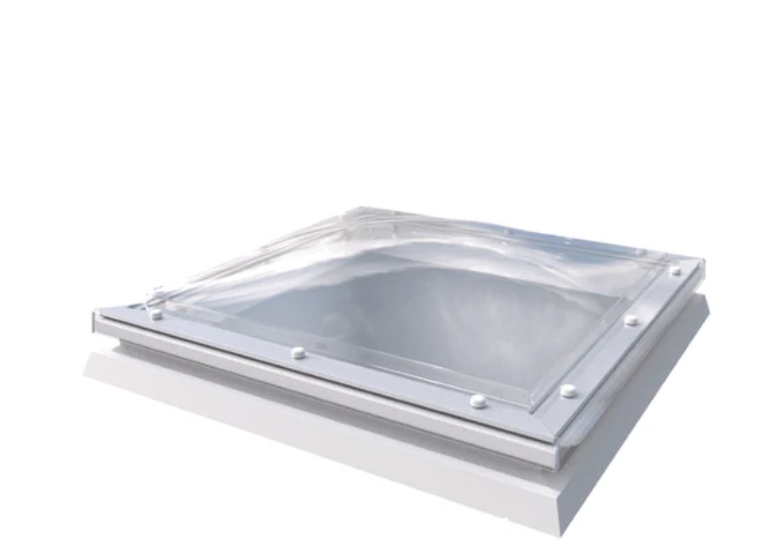
In today’s design-focused world, natural lighting is more than a luxury. It is a necessity for healthier and more efficient spaces. One of the most practical solutions gaining attention is polycarbonate roof light domes, which combine durability with modern aesthetics. These innovative roofing elements are designed to maximize daylight while offering strong protection against environmental factors.
At the forefront of this trend, Skylights Roof Lanterns has been helping homeowners and commercial property owners transform interiors with advanced daylighting solutions. The rising demand for polycarbonate roof light domes reflects a shift toward energy-conscious and visually appealing building upgrades that deliver both performance and style.
Why Daylighting Matters in Modern Spaces
Natural light plays a powerful role in how a space feels and functions. It can improve mood, enhance productivity, and reduce reliance on artificial lighting. Modern architecture is increasingly designed around light optimization, making roof lighting solutions a central feature.
Key benefits of daylight integration include:
- Enhances indoor ambiance and visual comfort
- Supports better mental well-being and focus
- Reduces dependency on artificial lighting
- Creates a more open and spacious feel
By introducing roof domes, buildings can capture sunlight from above, which is often more consistent and evenly distributed than side lighting.
What Makes Polycarbonate Domes Stand Out
Polycarbonate material is known for its strength, flexibility, and clarity. When used in roof domes, it provides a reliable and long-lasting solution that outperforms many traditional materials.
Core features that define polycarbonate domes:
- High impact resistance for long-term durability
- Lightweight structure for easy installation
- UV protection to prevent discoloration
- Excellent thermal performance for insulation
Unlike glass, polycarbonate is less likely to crack or shatter, making it ideal for both residential and commercial applications.
Design Trends Shaping Roof Dome Installations
As architectural styles evolve, roof lighting solutions are becoming more sophisticated. Polycarbonate domes are no longer just functional additions. They are design elements that enhance the overall look of a building.
Minimalist Roof Designs
Modern homes favor clean lines and uncluttered spaces. Roof domes fit seamlessly into minimalist aesthetics by offering subtle yet effective lighting.
- Maintains a sleek and simple roof profile
- Blends easily with contemporary structures
- Adds light without visual distraction
Sustainable Building Solutions
Eco-conscious construction is a growing priority. Roof domes contribute to sustainability by reducing energy consumption.
- Supports green building practices
- Minimizes electricity usage during daytime
- Encourages environmentally friendly living
Smart Integration with Interiors
Interior designers are using natural light as a key design tool. Roof domes allow light to highlight textures, colors, and architectural details.
- Enhances interior décor naturally
- Improves visual depth in rooms
- Creates dynamic lighting effects throughout the day
Applications Across Different Spaces
Polycarbonate roof domes are versatile and suitable for various environments. Their adaptability makes them a preferred choice across industries.
Residential Properties
Homes benefit greatly from improved daylight and ventilation.
- Ideal for kitchens and living rooms
- Brightens hallways and staircases
- Adds value to modern home designs
Commercial Buildings
Workspaces require efficient lighting to boost productivity.
- Reduces energy usage in offices
- Creates comfortable working environments
- Enhances visual appeal for clients and staff
Industrial Facilities
Large spaces often struggle with consistent lighting.
- Provides uniform daylight distribution
- Improves safety and visibility
- Reduces operational energy demands
Energy Efficiency and Environmental Impact
Energy efficiency is one of the biggest advantages of installing roof domes. By maximizing natural light, buildings can significantly cut down on electricity use.
Environmental benefits include:
- Lower carbon footprint through reduced energy consumption
- Improved indoor climate control
- Contribution to sustainable construction goals
Polycarbonate domes also offer insulation properties that help maintain indoor temperatures, reducing the need for excessive heating or cooling.
Durability and Weather Resistance
Roof installations must withstand varying weather conditions. Polycarbonate domes are engineered to perform well in diverse climates.
Weather-resistant qualities include:
- Protection against heavy rain and wind
- Resistance to UV radiation and heat
- Ability to handle temperature fluctuations
This durability ensures that the domes remain functional and visually appealing for years without frequent maintenance.
Enhancing Comfort with Better Light Distribution
Unlike traditional windows, roof domes capture sunlight from above, allowing for even distribution across a room. This reduces harsh shadows and creates a balanced lighting environment.
Comfort-focused advantages:
- Eliminates dark corners in large spaces
- Reduces glare compared to direct sunlight
- Provides consistent illumination throughout the day
This makes them especially useful in areas where natural light is limited.
Easy Maintenance and Long-Term Reliability
Maintenance is a key consideration for any building feature. Polycarbonate domes require minimal upkeep while maintaining their performance.
Low-maintenance benefits include:
- Smooth surfaces that resist dirt buildup
- Long-lasting clarity with proper care
- Reduced need for frequent replacements
Regular cleaning is usually enough to keep them functioning efficiently, making them a practical long-term investment.
See also: Creating a Fully Connected Home with Automation Services
Safety and Structural Advantages
Safety is always a priority in construction. Polycarbonate domes provide an added layer of protection due to their impact resistance and flexibility.
Safety-focused features include:
- Reduced risk of breakage compared to glass
- Strong resistance to external impacts
- Reliable performance in high-traffic areas
These qualities make them suitable for both residential and commercial environments where safety standards are essential.
Customization Options for Modern Needs
Every building has unique requirements, and roof domes can be customized to match different architectural styles and functional needs.
Customization possibilities include:
- Various shapes such as square, rectangular, or circular
- Different glazing options for light control
- Adaptability to different roof types
This flexibility allows designers and architects to integrate roof domes seamlessly into their projects.
Future Outlook of Roof Lighting Solutions
The demand for advanced daylighting solutions is expected to grow as more people recognize the benefits of natural light. Polycarbonate domes are likely to remain at the forefront of this trend due to their versatility and performance.
Emerging trends include:
- Integration with smart building systems
- Increased focus on energy-efficient materials
- Greater emphasis on sustainable design
As technology evolves, these solutions will continue to improve, offering even better performance and design possibilities.
Conclusion
The growing popularity of roof lighting solutions highlights a shift toward smarter and more sustainable building practices. Polycarbonate roof light domes offer a perfect balance of durability, efficiency, and modern design, making them an essential feature in contemporary architecture.
With innovative solutions from Skylights Roof Lanterns, property owners can transform their spaces with enhanced natural lighting and long-lasting performance. Whether for residential, commercial, or industrial use, these domes provide a reliable way to improve both functionality and aesthetics.
If you are looking to upgrade your space with advanced daylighting solutions, contact us today to explore how roof domes can bring natural light and modern style into your environment.