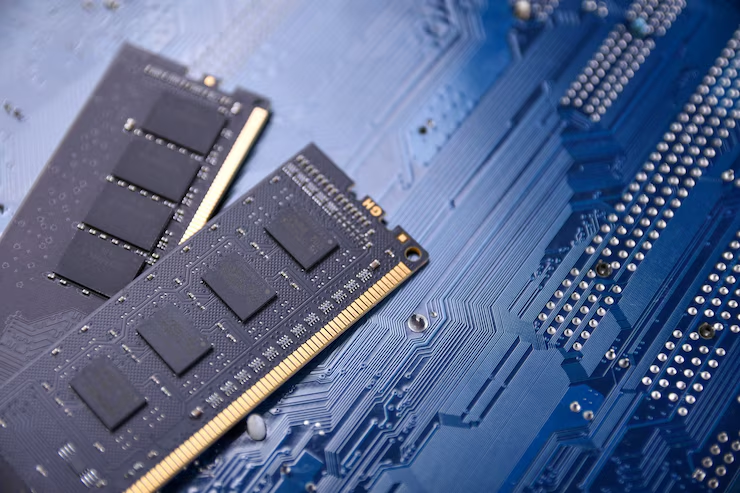
Enterprise servers handle large databases, virtual machines, business applications, analytics, and many other workloads at the same time. Memory performance can affect how smoothly these systems run, especially when several applications compete for system resources. That makes the choice between DDR4 and DDR5 worth careful consideration. DDR4 Memory Modules remain a dependable option for many existing server systems, while DDR5 offers higher bandwidth and newer memory features. Ram Exchange provides memory options for businesses that need to maintain, upgrade, or expand server infrastructure without making an unsuitable hardware choice.
Why Server Memory Matters
Server memory gives applications quick access to the data they need while they are running. More memory can help a server handle more workloads, while faster memory can improve data transfer between the processor and RAM. Enterprise servers often run continuously and support important business operations. A memory upgrade can therefore affect application performance, virtualisation capacity, database workloads, and overall system responsiveness. The right memory depends on more than speed. Server compatibility, processor support, memory capacity, workload requirements, power use, and upgrade plans all need to be considered before purchasing new modules.
See also: What Every Driver Should Know About Extending Vehicle Lifespan
DDR4 Memory Modules Still Have a Strong Role
DDR4 has been used in servers for many years, making it a familiar and widely supported memory standard. Many existing enterprise platforms are designed around DDR4, so replacing or expanding memory can often be straightforward when the correct specifications are selected. DDR4 Memory Modules can provide a practical balance of capacity, performance, availability, and cost. They are particularly useful for businesses that already have DDR4-compatible servers and want to increase RAM without replacing the entire platform.
Another advantage is compatibility with a broad range of processors and server motherboards. Businesses with established DDR4 infrastructure may find that staying with the same memory generation makes financial and technical sense. Ram Exchange can be a useful source for organisations checking memory options for existing server hardware, especially when matching capacity, speed, and module specifications is necessary.
What DDR5 Brings to Enterprise Servers
DDR5 was developed to provide higher memory bandwidth and improved efficiency compared with DDR4. Newer server platforms can take advantage of these improvements for workloads that move large amounts of data. One of the biggest differences is memory bandwidth. DDR5 supports higher data rates, which can help processors receive data more quickly. This can be useful for workloads such as large databases, scientific computing, virtual machines, artificial intelligence applications, and analytics.
DDR5 also introduces changes to memory architecture. For example, DDR5 modules use two independent 32-bit channels within a standard module, which can improve how memory requests are handled. DDR5 server memory can also support higher capacities on compatible platforms. However, DDR5 is not simply a drop-in replacement for DDR4. A server motherboard and processor must support DDR5. DDR4 and DDR5 modules have different physical designs and electrical requirements, so they cannot be mixed in the same memory slots.
DDR4 vs DDR5: Main Differences
The differences between the two standards can be easier to understand by looking at their main characteristics.
Speed and Bandwidth
DDR5 generally provides higher data rates and greater memory bandwidth than DDR4. This can benefit applications that are limited by memory throughput. DDR4 can still deliver sufficient performance for many business workloads, particularly where the processor, storage system, or application itself is the main performance limitation.
Capacity
DDR5 server platforms can support higher memory capacities as hardware generations continue to develop. This can be useful for businesses running large virtualisation environments, memory-heavy databases, and demanding analytics workloads. DDR4 also supports substantial memory configurations, making it suitable for many enterprise servers already in operation.
Power Efficiency
DDR5 operates at a lower standard voltage than DDR4. Lower voltage can help reduce power consumption at the memory module level. For large data centres with many servers, even small efficiency improvements can matter. Actual power savings, however, depend on the complete server configuration and workload.
Compatibility
Compatibility is one of the most important differences. DDR4 and DDR5 require different platforms. A business cannot simply remove DDR4 modules and install DDR5 modules in a DDR4 server.
Before ordering memory, administrators should check the server model, processor generation, motherboard specifications, supported memory type, maximum capacity, speed limits, and supported module configuration.
Which Memory Is Better for Enterprise Servers?
There is no single answer for every enterprise environment. DDR5 is generally the better choice for a new server platform that supports it and needs higher memory bandwidth, greater capacity, or newer hardware features. Businesses building new infrastructure may benefit from selecting a DDR5-compatible platform to support demanding workloads over the coming years. DDR4 can be the better option for an existing server that already uses DDR4 memory. Upgrading the current system can be less expensive than replacing the server, particularly when the existing hardware still provides enough processing performance for the business.
Budget also matters. A memory upgrade should be judged against the expected performance improvement and the cost of changing other hardware components.For many businesses, the sensible decision is to match the memory generation to the server rather than choosing the newest standard automatically.
Workload Should Guide the Decision
Different workloads place different demands on server memory. A file server or basic business application may not gain enough from DDR5 to justify replacing an otherwise suitable DDR4 platform. A virtualisation host running many active virtual machines may benefit more from increased memory capacity and bandwidth. Large databases can also benefit from faster memory, especially when processing substantial amounts of data. Analytics and high-performance computing workloads may see greater gains from the additional bandwidth offered by DDR5.
Businesses should review actual server usage before upgrading. Monitoring memory utilisation, processor load, application performance, and virtual machine requirements can help identify whether more capacity or faster memory is the real need. For companies comparing available hardware, Ram Exchange offers access to RAM products that can support different server upgrade requirements. You can also Explore Our RAM Products to review suitable memory options before making a purchasing decision.
What to Check Before Buying Server RAM
Buying the right memory involves more than selecting DDR4 or DDR5 from a product list. Check the server manufacturer’s specifications first.
Important details include:
- Supported DDR generation
- Maximum supported memory capacity
- Module capacity
- Memory speed
- ECC support
- Registered or unbuffered memory requirements
- Number of available memory slots
- Processor and motherboard compatibility
- Recommended memory population rules
Enterprise servers commonly use ECC memory because error correction helps maintain data reliability. Some servers also require registered DIMMs or other specific memory types. Using the wrong module can lead to compatibility problems, reduced performance, or a server that fails to boot. Checking the exact server model before ordering can prevent these issues.
Planning a Memory Upgrade
A memory upgrade should fit the broader server plan. If a server is several years old and already approaching the end of its useful life, investing heavily in additional DDR4 RAM may not make sense. On the other hand, a newer DDR4 server with plenty of processor and storage capacity may continue to serve the business well after a memory upgrade. For new deployments, DDR5 can provide a stronger platform for workloads that need high bandwidth and large memory configurations. For established systems, DDR4 can remain a reliable and cost-conscious choice. Ram Exchange can help businesses compare available memory options based on their existing hardware requirements. Selecting compatible modules first, rather than focusing only on the newest specification, helps avoid unnecessary hardware costs.
Making the Right Server Memory Choice
DDR4 and DDR5 both have a place in enterprise computing. DDR4 Memory Modules remain useful for compatible servers that need additional capacity or replacement RAM, while DDR5 offers higher bandwidth and newer capabilities for supported server platforms. The best choice depends on the server hardware, workload, budget, and long-term infrastructure plans. A careful compatibility check can make the upgrade process easier and reduce the risk of buying memory that cannot be used. Looking for the right server RAM? Get in touch with Ram Exchange today to discuss your server requirements and find compatible RAM for your enterprise system.